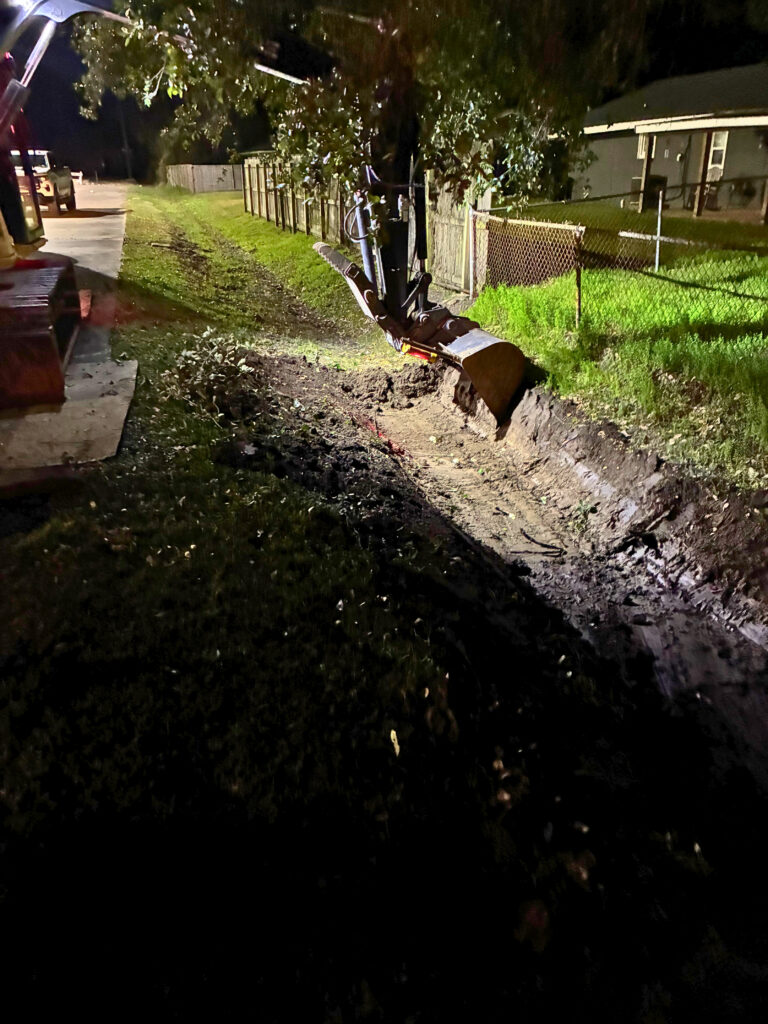
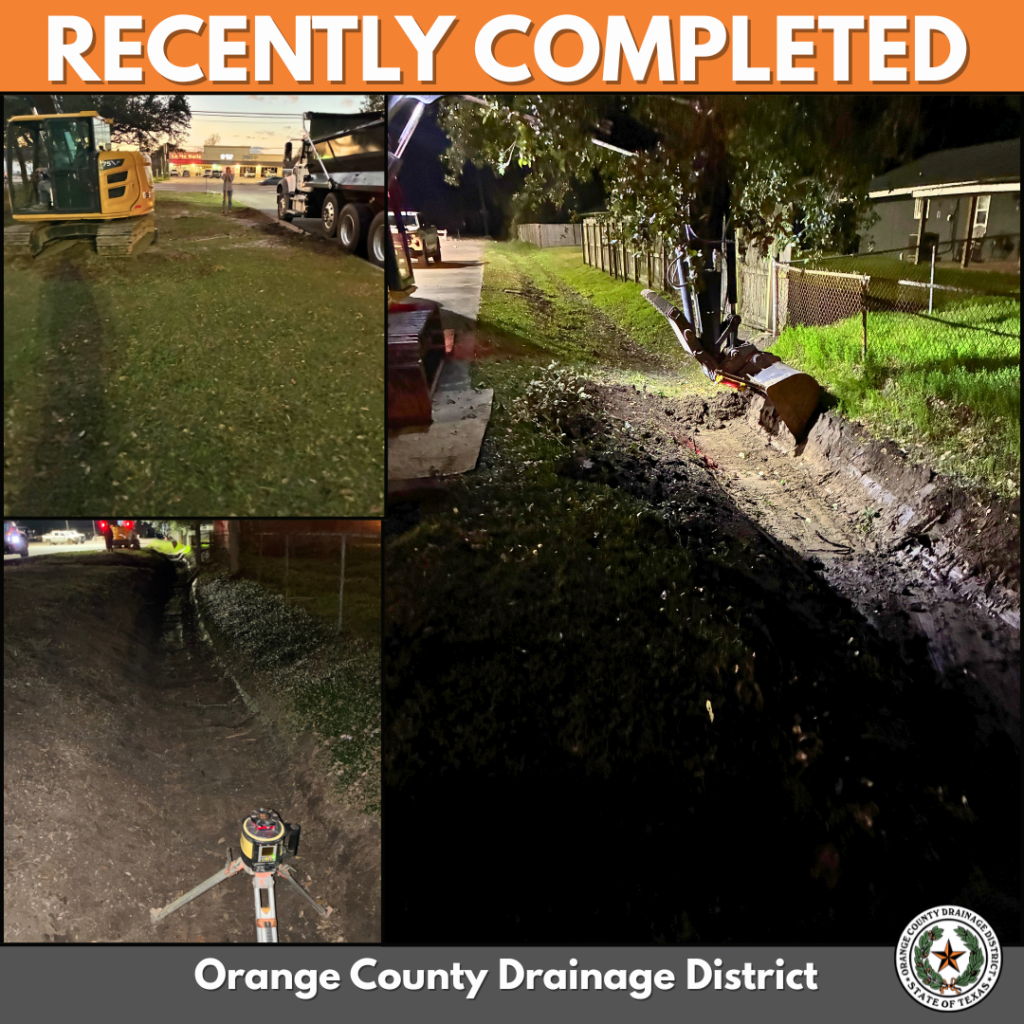
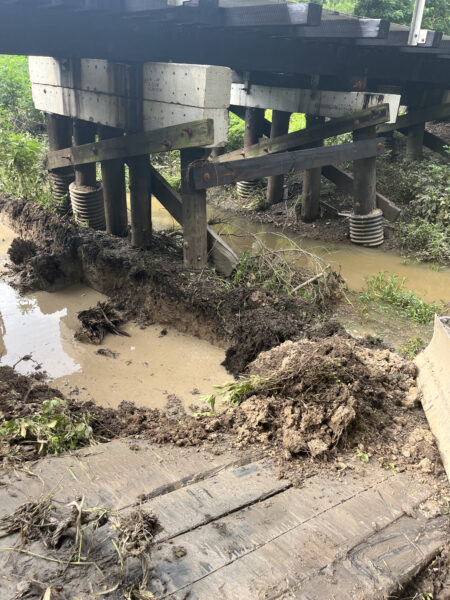
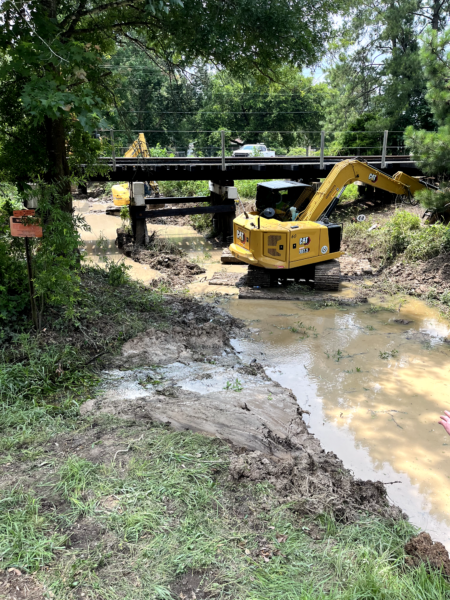
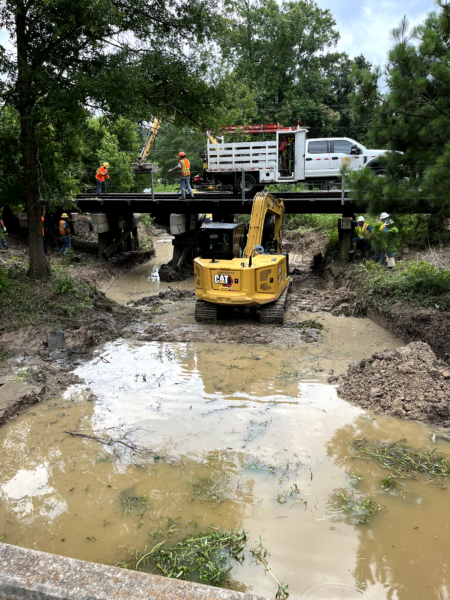
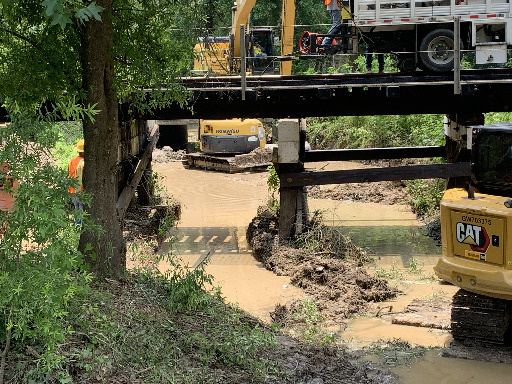
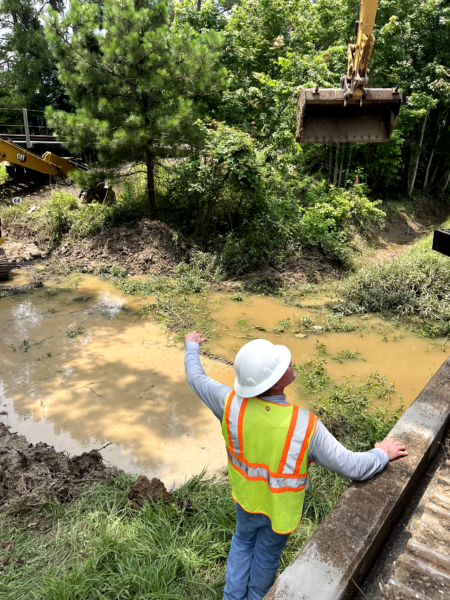
You may have noticed recent work on the drainage ditch near Bridge City High School and Schoolview Drive. We’ve completed re-grading of this existing ditch to improve stormwater flow and help reduce flooding in the area.
Why Was This Work Done?
Re-grading the ditch helps to ensure that rainwater flows away from the high school and surrounding areas more effectively. This helps prevent water from pooling and reduces the risk of damage during heavy storms.
How Does This Help?
By improving the flow of stormwater, we are reducing the risk of flooding for Bridge City High School, as well as for nearby homes and businesses. This proactive maintenance helps to protect our properties and keep our community safe.
Where Does The Water Go?
The ditch is an important part of our local watershed, draining into the Neches River and Cow Bayou. The re-grading project ensures that stormwater is managed responsibly and safely returned to the environment.
We’re committed to maintaining and improving our community’s infrastructure. Thank you for your patience as we completed this important work!
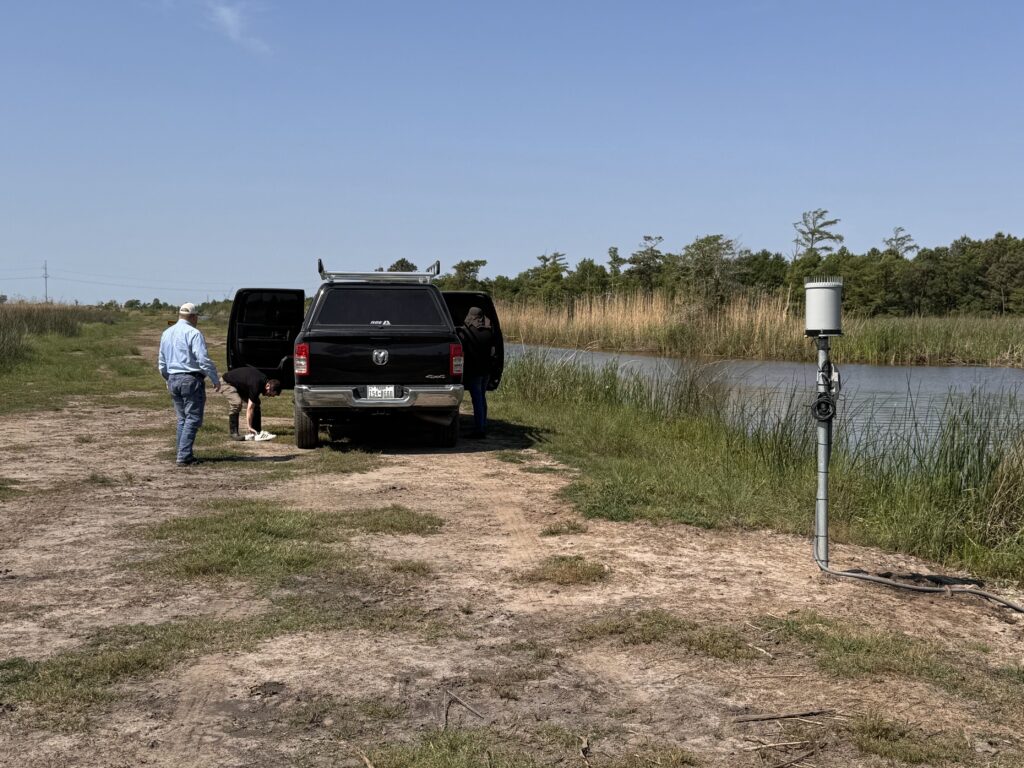
Learn how Southeast Texas rain gauges are maintained as part of the SE TEXAS R.A.I.N. network. See how OCDD and Lamar University ensure accurate flood monitoring and real-time rainfall data for community safety.
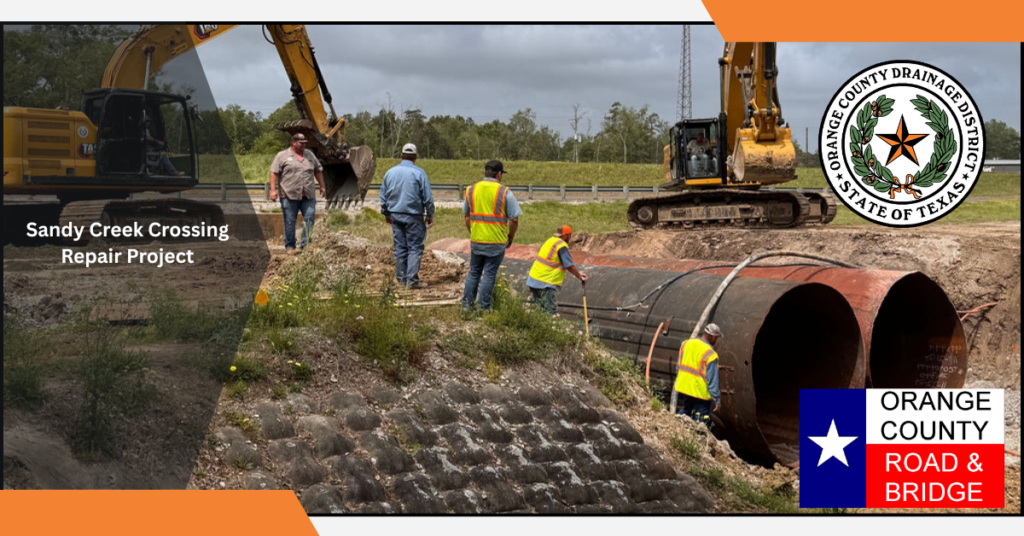
On April 3, 2025 the project at the Sandy Creek crossing on Old Hwy 90 was complete. This was a successful collaboration between 2 Orange County entities.
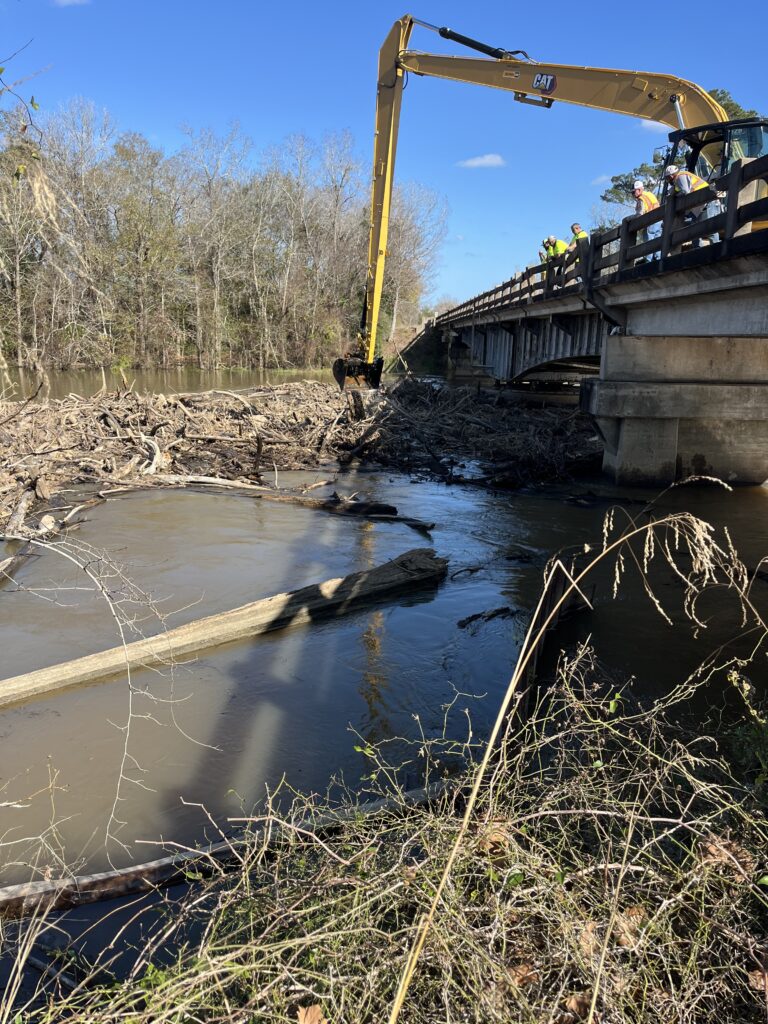
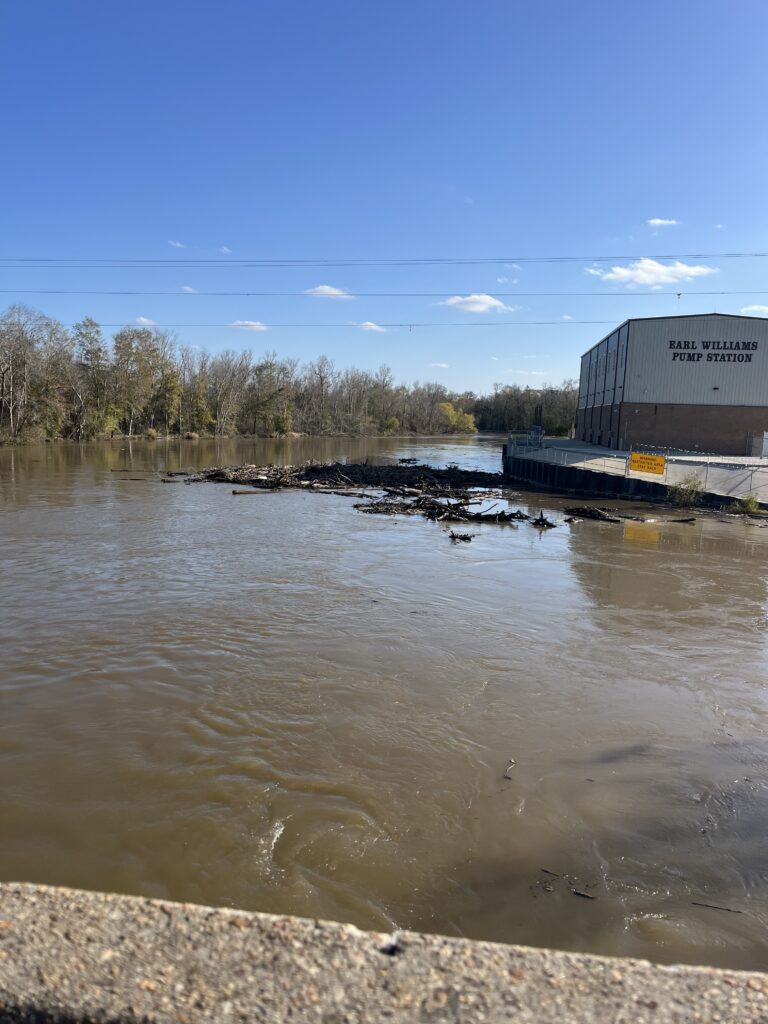
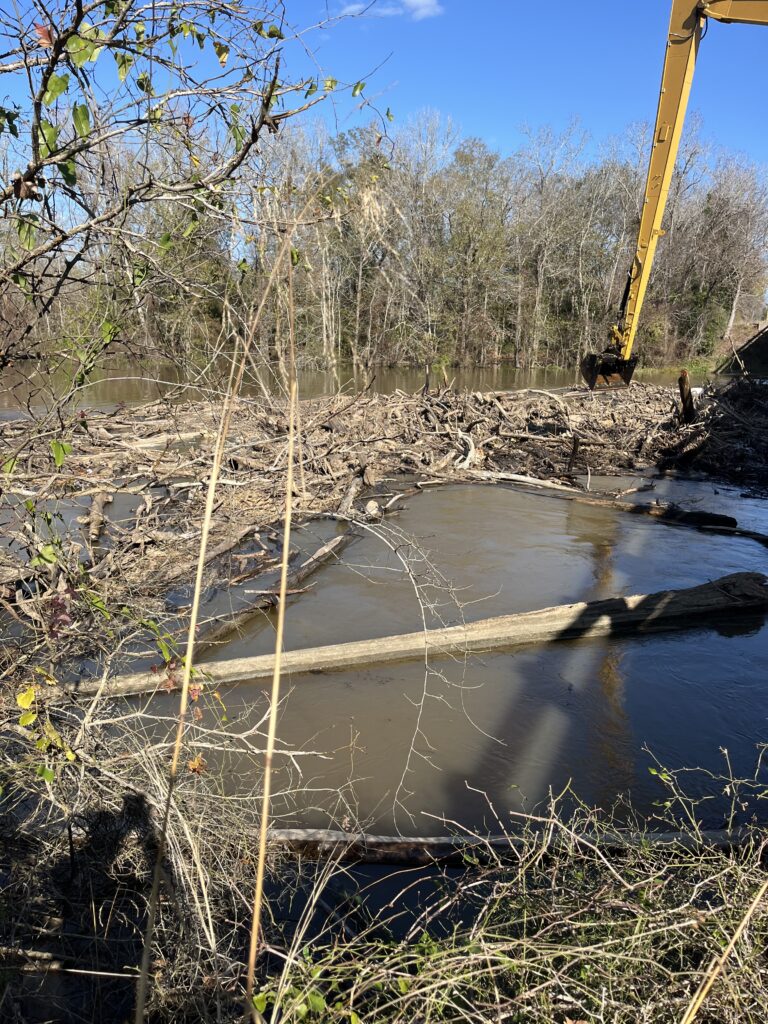
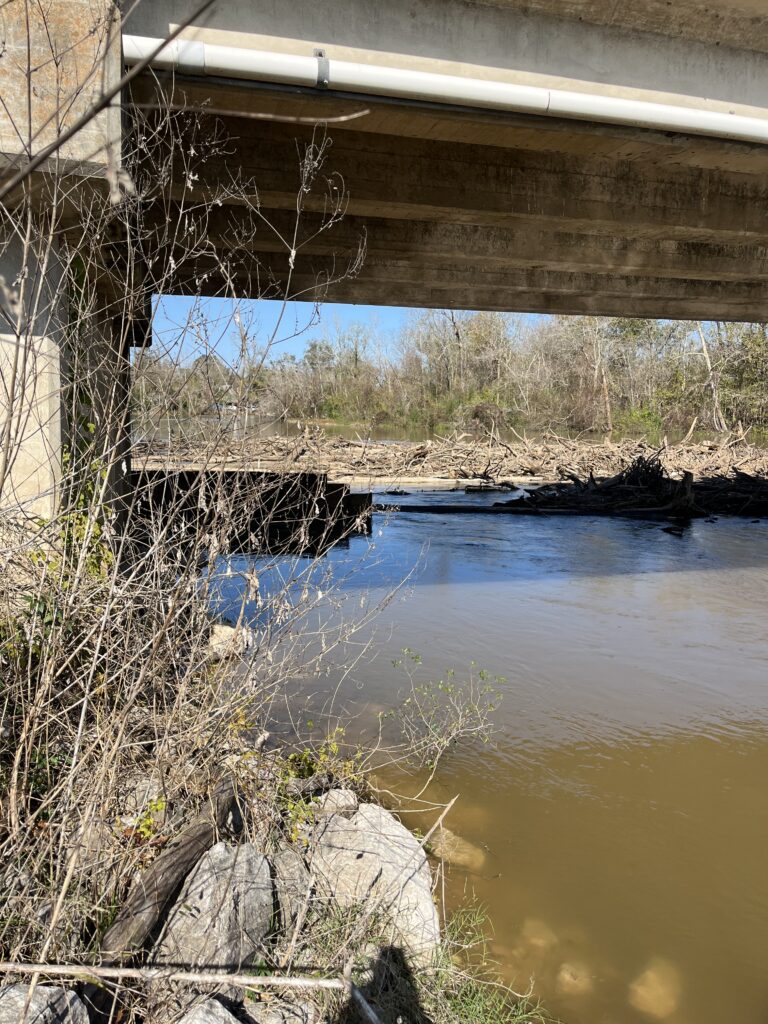
On January 3, 2025, the Orange County Drainage District received a request for assistance from the Texas Department of Transportation (“TexDOT”) to remove accumulated floating debris from the Sabine River Bridge at Highway 12. The accumulated debris was placing undue stress on the bridge structure.
The District dispatched equipment to the location and removed the accumulated debris with the assistance of TexDOT and the Louisiana Department of Transportation and Development. The District removed the debris and restored water flow under the structure.
The District would like to thank TexDOT and LaDOTD for their efforts in this restoration project.
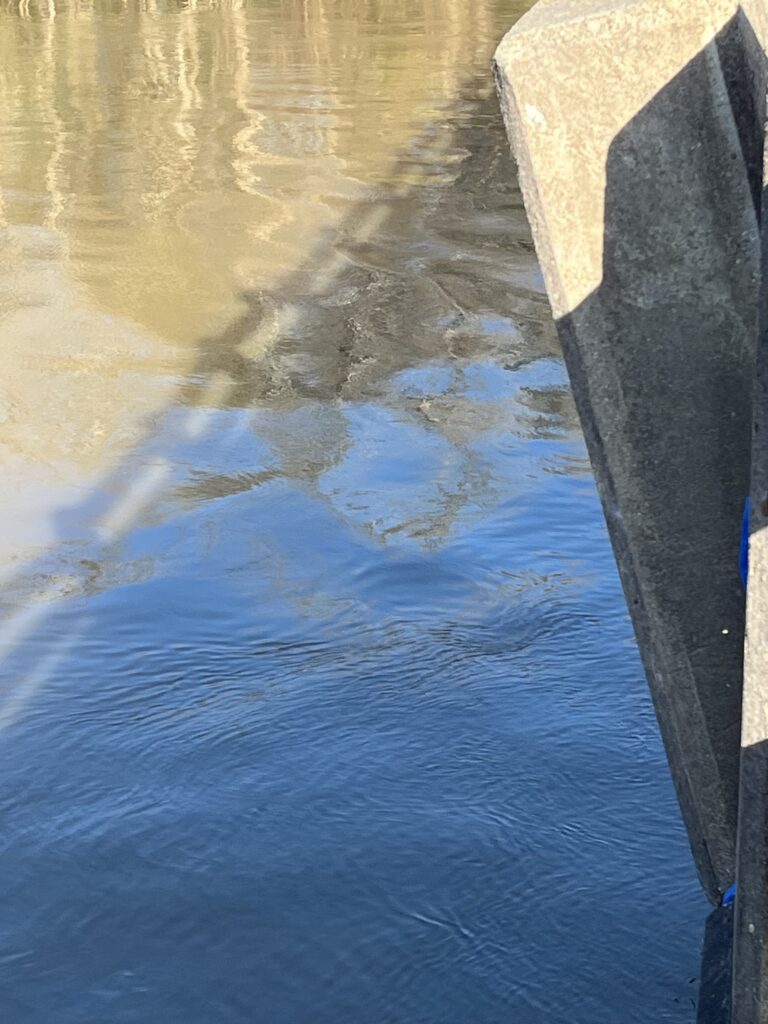
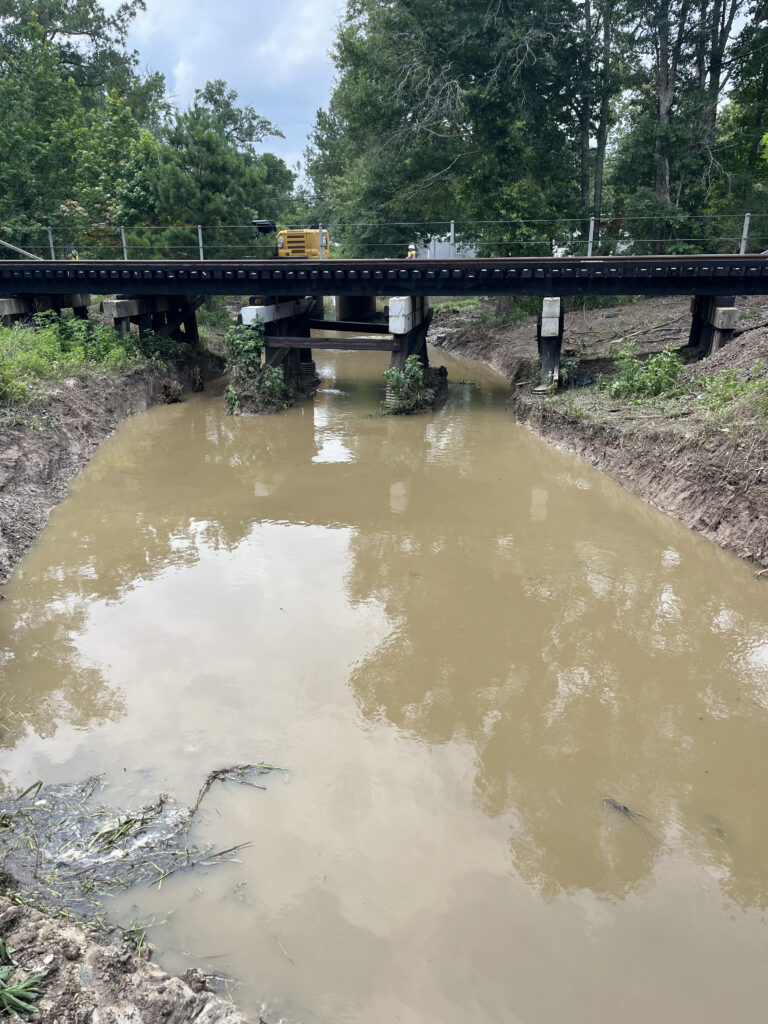
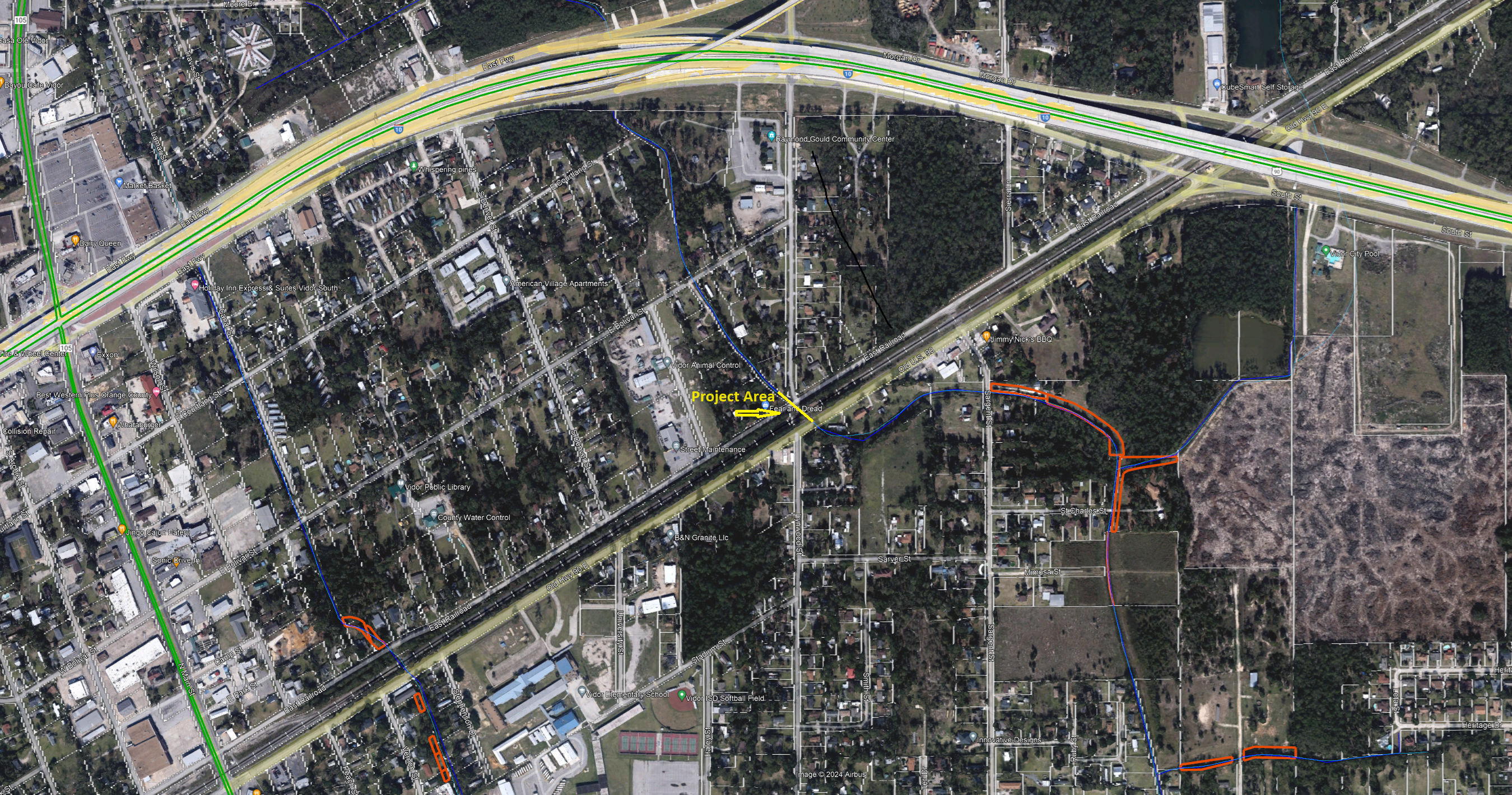
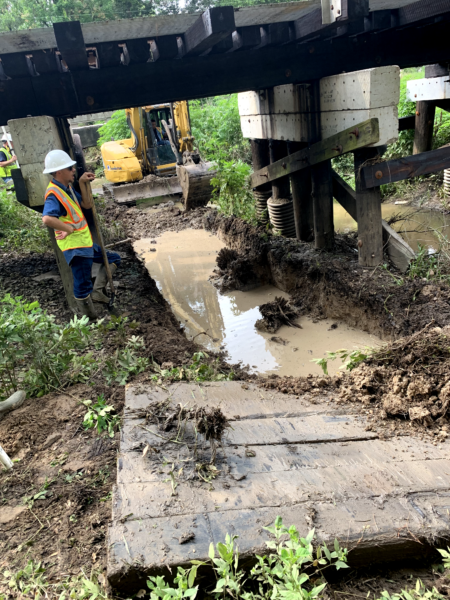
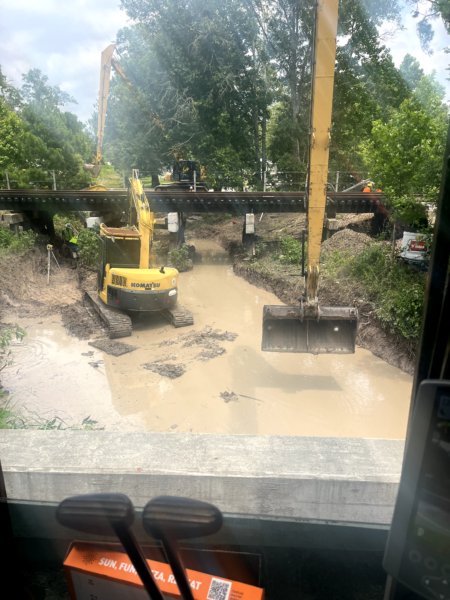
On June 4, 2024, the Orange County Drainage District, with the support of other public and private entities, completed a drainage improvement project to improve flow underneath the railroad trestle located on Anderson Gully between East Railroad and Highway 90 in Vidor, Texas. The project involved removing sediment and debris under the trestle, thereby increasing Anderson Gully’s flow and capacity.
The Orange County Drainage District would like to acknowledge KCS Railroad, the City of Vidor, and the Orange County Road and Bridge Department (Precinct No. 4) for their cooperation and assistance in completing this joint project.
The photographs below reflect the condition of the crossing prior to the project and the activities conducted by the participating entities toward the Anderson Gully drainage improvement project.
The Orange County Drainage District is pleased to update our citizens on the FM 1442 Drainage Improvement Project along West Roundbunch Road in Bridge City, Texas.
This joint project involves various local entities including: the Orange County Drainage District, the Texas Department of Transportation, the City of Bridge City, and the Orange County Road and Bridge Department to provide drainage relief to various subdivisions in the City of Bridge City. The affected subdivisions include Sylvan Glades, West Gate, Meadows, Schofield Place, and Palm Ridge Additions. The drainage in these subdivisions was impaired by the inability for storm water to drain from the subdivisions , make its way across FM 1442 (West Roundbunch Road) and into the Colonial Outfall Ditch, ultimately being discharged into the Neches River. The District previously completed an extensive clearing of the existing Colonial Outfall Ditch to increase capacity and speed of discharge of accumulated storm water into the Neches River.
The District also wants to acknowledge the Bridge City Independent School District and the Common Ground Community Church for providing essential easements to the Orange County Drainage District in support of this drainage relief project. Without their efforts, this project would not have been possible.
The District and its local partners designed the Bridge City FM 1442 Drainage Improvement Project to provide drainage improvements during significant rain events (when the ditch adjacent to the north side of FM 1442 becomes full). During these high-intensity rain events, the project allows storm water to flow underneath FM 1442 into the existing Colonial Outfall Ditch (which also drains the Meadowlawn Subdivision), and, ultimately, to the Neches River.
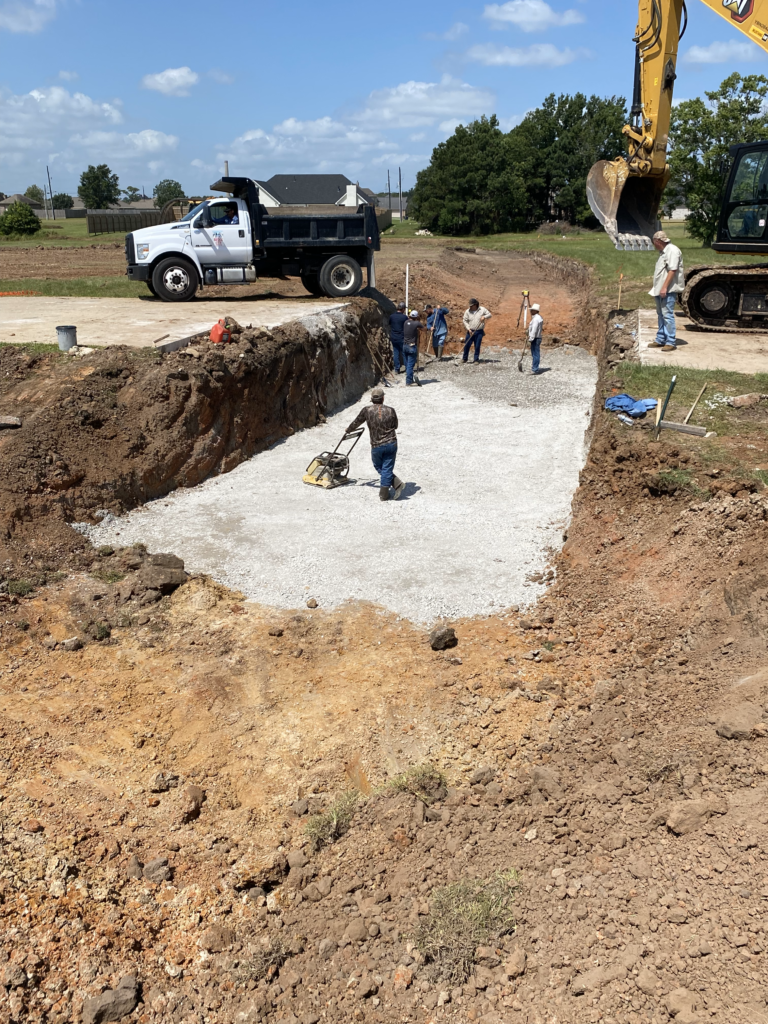
The photographs below depict the District’s progress on the project. As of July 19, 2023, the District has completed the backfilling and covering the installed culverts before the commencement of the new school Bridge City ISD school year.
The Needles Street Outfall Project was a joint operation between the District, Orange County and the City of Vidor, Texas.
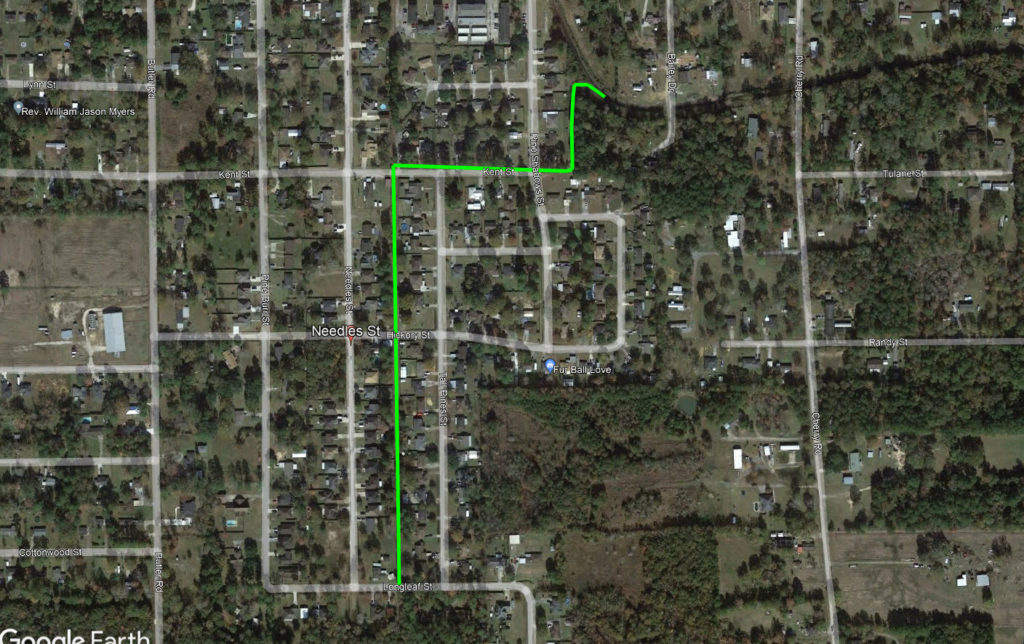
The Needles Street Outfall drains from Longleaf Street north crossing under Hickory Street, Kent Street, then drains east crossing under Pine Shadows Street and ultimately into Anderson Gully. The project included installing a new crossing under Pine Shadows Street, and the regrading of the outfall from Anderson Gully to Longleaf Street. The very limited and restricted access caused the project to be very challenging. But with the team approach of the Orange County Drainage District, Orange County Road and Bridge, the City of Vidor and surrounding home owners, the project was successfully completed on 10/14/2021. Since the completion of the Needles Street Outfall Project, the District has continued its commitment to the citizens of the City of Vidor by successfully obtaining funding in support of drainage improvements to Tiger Creek.
The proposed Tiger Creek Improvement Project is designed to construct a 3,600 ac/ft capacity detention pond at the northern reaches of Tiger Creek (Vidor/Rose City Area). Construction shall consist of the excavation, embankment construction, and grading of approximately five million eight hundred eight thousand cubic yards (5,808,000 CY) of dirt, clearing and grubbing of four hundred fifty acres (450 AC) of land, four (4) water control features, four (4) sixty thousand gallon per minute pump units, one (1) intake structure and pump house, two hundred linear feet (200 l.f..) of sixty-inch (60″) discharge piping, erosion protection at pump discharge, and all related appurtenances. Upon completion, the existence of a detention structure will relive the pressure on existing drainage structures located within the City of Vidor, thereby providing drainage relief to all of the citizens of the City.
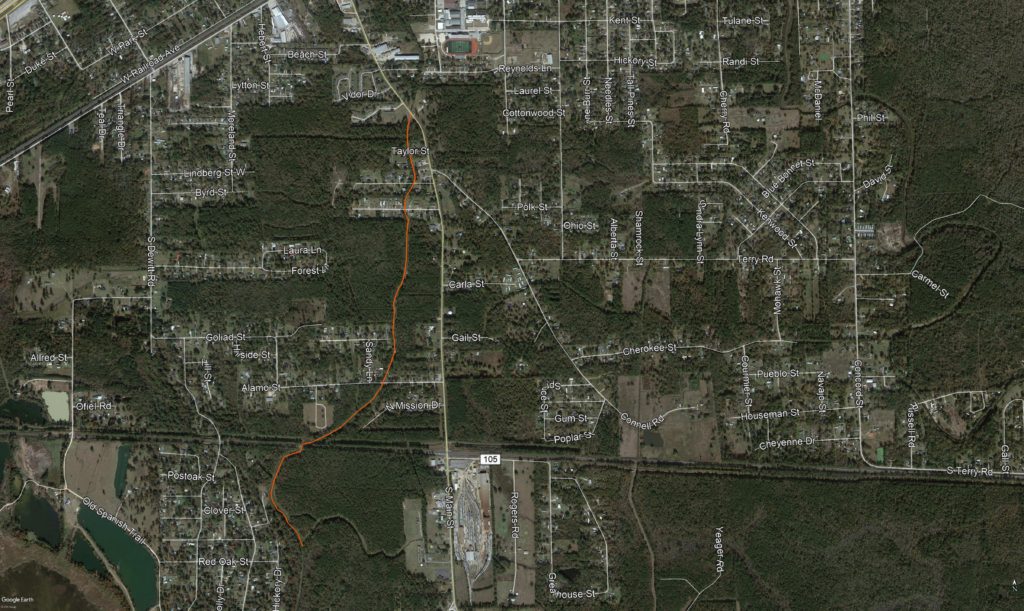
The School House Ditch originates on the east side of the intersection of I-10 and Canal Street. The outfall travels southeast crossing under Orange Street, then southwest crossing under Highway 105. The outfall then runs generally south and crosses under Old Spanish Trail, where it ultimately disperses into the marsh before flowing into the Neches River. The School House Ditch drains a significant amount of storm water runoff in the Vidor area.
The Phase 1 project involves the re-grading of the outfall (depicted in orange on the map above) from Highway 105 south to the area of the water treatment plant located off of Dogwood Drive in south Vidor. The Phase 1 project will result in approximately 8,300 feet of drainage improvements to the School House Ditch.
As stated above, the School House Ditch drains into the marsh and ultimately into the Neches River. Both the marsh and the ditch are impacted by the tidal influences affecting the Neches River.
Additional photos off the project will be added as the project progresses.
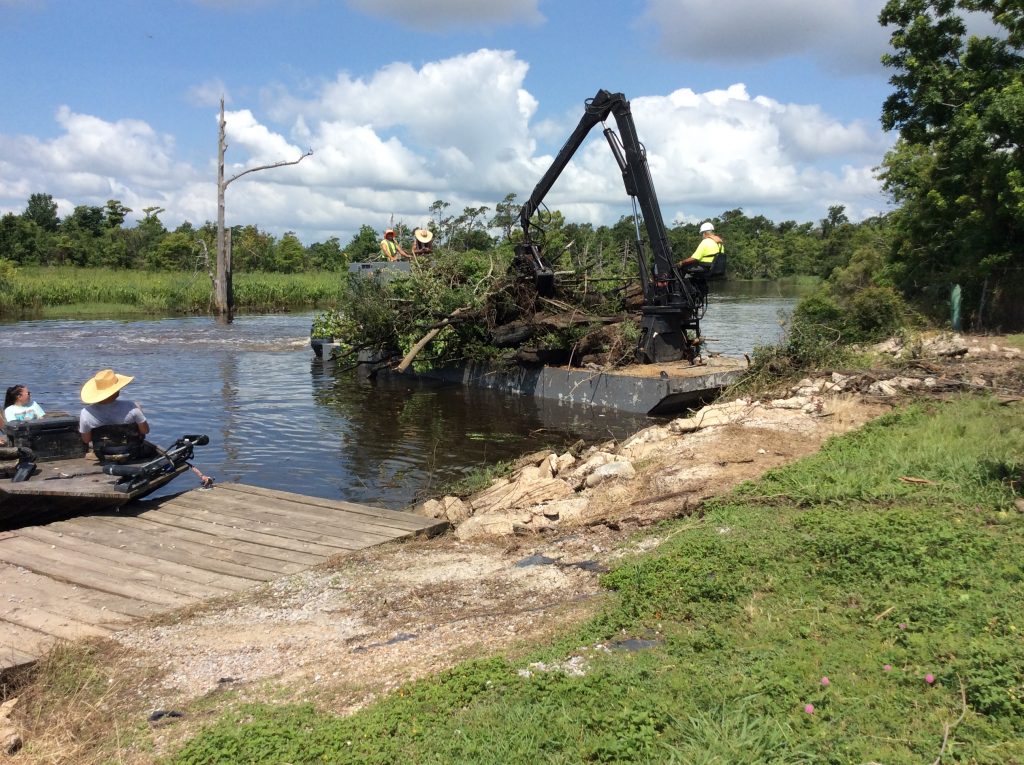
The Orange County Drainage District commenced its Bayous Debris Removal Project, which involves primarily the removal of fallen trees and other vegetative debris from within Adams Bayou, Cow Bayou and Little Cypress Bayou. The purpose of the Project is to remove debris from these three bayous that so that drainage is not impaired within these bayous, each of which serve to drain significant portions of Orange County. The Cow Bayou Watershed originates in Jasper County, the Adams Bayou watershed originates in Newton County, and the Little Cypress Bayou watershed originates in Orange County. All three bayous drain into the Sabine River.
The District has secured grant funding from the Natural Resources Conservation Service, a division of the U.S. Department of Agriculture, to help pay for a large portion of this Project. The total cost of the Project is estimated to be approximately $1.5 million. The Drainage District has contracted with Aftermath Disaster Recovery, Inc., which provides multiple barge units equipped with grapple and saws, to assist with the Project.
The first component of the Project was the removal of the debris from Little Cypress Bayou. The Project began on Thursday, June 3, 2021 and was completed on 6/12/2021 removing more then 4200 cubic yards of debris from within Little Cypress Bayou. The scope of the Little Cypress Bayou project included removal of debris within and along Little Cypress Bayou from the Sabine River to FM 3247.
On 6/11/2021, The District commenced the second component of the project involving the removal of trees and debris from within and along Adams Bayou. The scope of work for Adams Bayou starts at FM 1006, and reaching as far north as Eight Gate Road. Pictures below are from current progress of Adams Bayou. This project is currently still in progress, Additional pictures will be posted as the project proceeds.
On 6/28/2021, The District commenced the third and final component of the project involving the removal of trees and debris from within and along Cow Bayou. The scope of work for Cow Bayou begins at Texas Ave. in Bridge City, Texas, and terminates at Highway 12 where Cow Bayou crosses underneath. Pictures will be added to this post as the project proceeds.
The Cow Bayou waterway debris removal project was completed on 7/24/2021. Aftermath the contractor that was selected to perform the job removed over 5500 cubic yards of debris. The Drainage District loaded all the debris from an upland bank, and hauled the material to the final disposal site.
The Orange County Drainage District commenced its Bayous Debris Removal Project, which involves primarily the removal of fallen trees and other vegetative debris from within Adams Bayou, Cow Bayou and Little Cypress Bayou. The purpose of the Project is to remove this debris from these three bayous that so that drainage is not impaired within these bayous, each of which serve to drain significant portions of Orange County. The Cow Bayou Watershed originates in Jasper County, the Adams Bayou watershed originates in Newton County, and the Little Cypress Bayou watershed originates in Orange County. All three bayous drain into the Sabine River.
The District has secured grant funding from the Natural Resources Conservation Service, a division of the U.S. Department of Agriculture, to help pay for a large portion of this Project. The total cost of the Project is estimated to be approximately $1.5 million. The Drainage District has contracted with Aftermath Disaster Recovery, Inc., which provides multiple barge units equipped with grapple and saws, to assist with the Project.
The first component of the Project was the removal of the debris from Little Cypress Bayou. The Project began on Thursday, June 3, 2021 and was completed on 6/12/2021 removing more then 4200 cubic yards of debris from within Little Cypress Bayou. The scope of the Little Cypress Bayou project included removal of debris within and along Little Cypress Bayou from the Sabine River to FM 3247.
On 6/11/2021, The District commenced the second component of the project involving the removal of trees and debris from within and along Adams Bayou. The scope of work for Adams bayou starts at FM 1006, and reaching as far north as Eight Gate Road. Pictures below are from current progress of Adams Bayou. Additional pictures will be posted as the project proceeds.
The Adams Bayou waterway debris removal project was completed on 7/16/2021. Aftermath the contractor that was selected to perform the job removed over 12,500 cubic yards of debris. The Drainage District used internal forces to load all of the debris from an upland bank, and haul the material to the final disposal site.